The Parasite in Our Language: A Syntropic View of Doublespeak

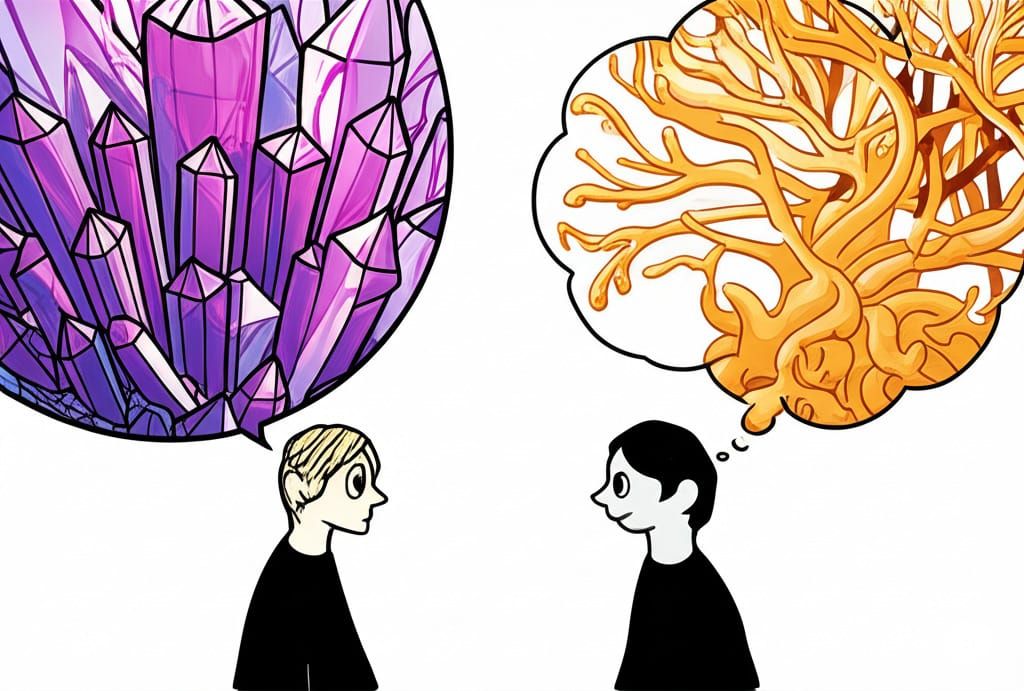
Language is the code that runs our social systems. It can build empires of shared understanding or crumble them into dust. Yet, some forms of language don't just fail to communicate; they actively work to dismantle meaning itself.
This is the world of doublespeak. To see it clearly and distinguish its corrosive function from mere noise, we must view it through The Syntropy Lens.
Syntropy: The Architecture of Understanding
First, let's consider the ideal function of language. In any healthy system—be it a society, a company, or a family—communication works to increase shared understanding and the ability to act effectively together. This drive toward integrated, meaningful complexity is what we call Syntropy ($Syntropy$).
Syntropic communication is:
- Clear and Honest: It aims to represent reality accurately.
- Coherent: It builds upon shared definitions and logic.
- Trust-Building: It serves as the foundation for collaboration and problem-solving.
When language is used syntropically, it allows a group to grow smarter, more resilient, and more capable. It’s the tool we use to build everything from friendships to cities.
Dystropy: The Sabotage of Meaning
Not all communication failures are equal. Sometimes, a message just gets garbled—a passive decay into noise that we can call Decoherence ($Decoherence$). It’s like rust; it happens without malicious intent.
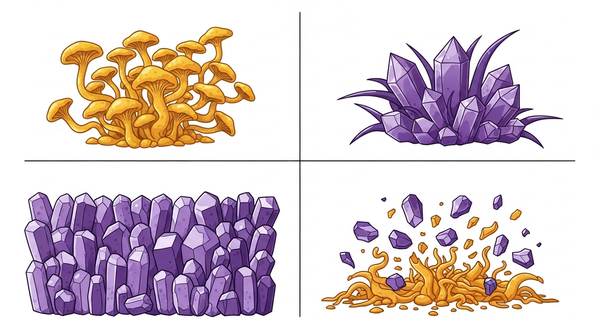
Doublespeak, however, is something far more sinister. It is an active and strategic sabotage of meaning. Through the Syntropy Lens, we identify this as Dystropy ($Dystropy$): a force that mimics a healthy process in order to weaken the host system from within.
Doublespeak is a parasite on meaning. It uses the vocabulary and grammar of legitimate communication, but its goal is the opposite. It intentionally obscures reality, manufactures consent, and corrodes the trust that holds a society together. It actively reduces a system's integrated information ($\Phi$), crippling its ability to perceive and respond to the world.
Diagnosis in the Wild
Consider a classic example: calling torture "enhanced interrogation techniques."
- The Mimicry: It sounds official, technical, and clean—like a legitimate operational term.
- The Sabotage: The phrase's true function is to bypass the moral and legal antibodies our society has developed against torture. It neuters our ability to identify a transgression, debate it honestly, and hold people accountable. It doesn't just mislabel an act; it attacks the very framework we use to define ourselves as a just society.
By replacing a clear, emotionally resonant, and morally charged word ("torture") with a sterile, bureaucratic phrase, dystropic language makes us dumber and more passive. It's a weapon designed to create a fog of non-meaning, paralyzing our collective intelligence.
Ultimately, language can be a tool for creation or a weapon of decay. Learning to spot the difference between the syntropic craft of honest communication and the dystropic parasite of doublespeak is one of the most critical skills of our time.
What do you think? What should The Syntropy Lens focus on next?