Attachment Styles Through the Syntropy Lens

The patterns of our relationships often feel deeply personal, yet they follow predictable paths first mapped out by attachment theory. This psychological framework gives us a language for understanding why we connect to others the way we do. But what if we could look at these patterns from a different angle, one focused on the flow of information and complexity? By applying The Syntropy Lens, we can re-examine the four attachment styles not just as psychological labels, but as dynamic systems governed by deeper forces of order and disorder.
A Quick Primer on the Four Styles
Before we apply the lens, here's a brief overview of the four attachment styles psychologists have identified:
- Secure Attachment: People with a secure attachment style generally had caregivers who were responsive and available. As adults, they tend to be comfortable with intimacy, can depend on others and have others depend on them, and can balance closeness with a healthy sense of independence.
- Anxious-Preoccupied Attachment: This style often develops when caregivers are inconsistent in their responsiveness. As adults, these individuals can be preoccupied with their relationships, often fearing abandonment and seeking high levels of intimacy and approval.
- Dismissive-Avoidant Attachment: This style may form when caregivers are distant or rejecting. Adults with this style often see themselves as highly independent, suppress their feelings, and may avoid close relationships to maintain their sense of self-sufficiency.
- Fearful-Avoidant (or Disorganized) Attachment: This style is often associated with childhood trauma, abuse, or neglect where the caregiver is a source of both comfort and fear. As adults, they may simultaneously desire and fear intimacy, leading to confusing and often chaotic relationship patterns.
Now, let's analyze these styles through the Syntropy Lens.
Secure Attachment: A Syntropic Pathway
From the perspective of the Syntropy Lens, a secure attachment is a powerful engine of Syntropy. It fosters an increase in a person's integrated information, what the lens calls Φ (Phi). This means a greater capacity for meaningful complexity in one's inner world and outward relationships.
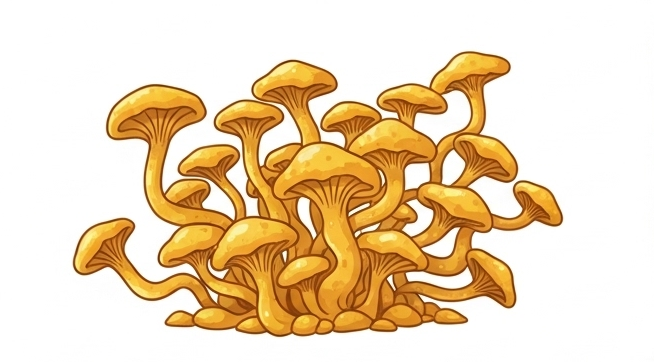
A securely attached individual develops a rich internal landscape where different emotions and thoughts can be held, examined, and integrated without causing a system collapse. Their ability to trust and communicate effectively allows for the co-creation of relationships that are also syntropic—they grow in depth, resilience, and mutual understanding over time. This is the essence of moving towards meaningful complexity. Their relationships are not just about fulfilling basic needs, but about creating something greater than the sum of its parts.
Insecure Attachments: Dystropy and Decoherence
The three insecure attachment styles, on the other hand, can be understood as expressions of Dystropy and Decoherence.
Anxious-Preoccupied: A Dystropic Dance
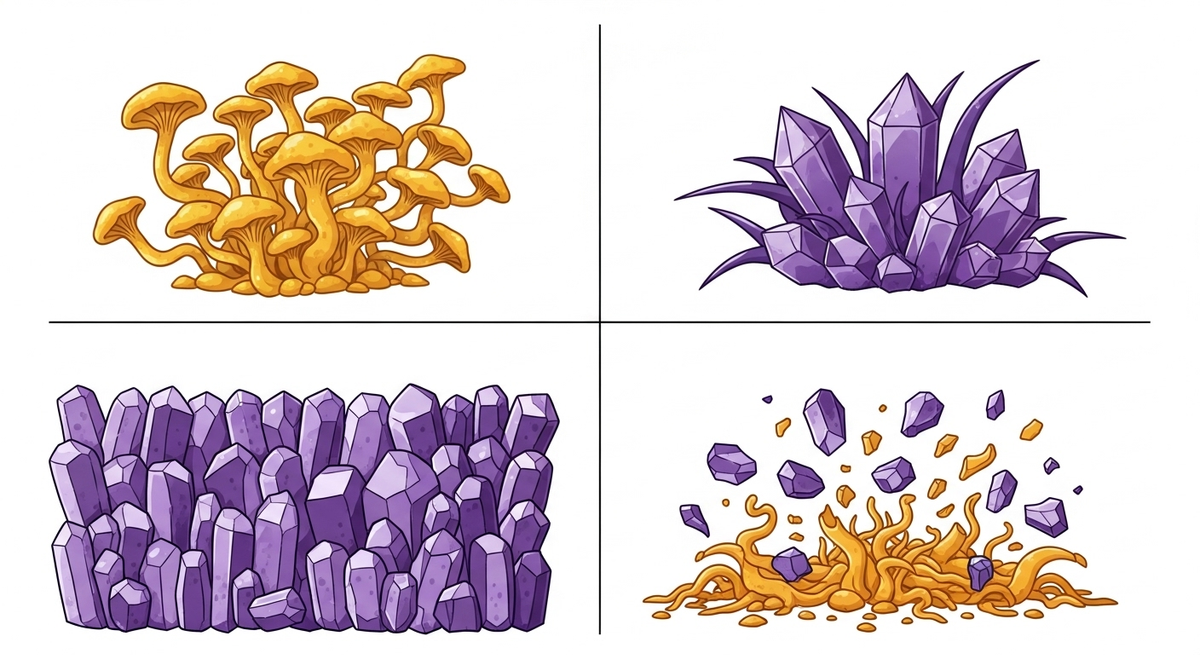
The anxious-preoccupied style is a classic example of Dystropy. Dystropy is an active, parasitic process that reduces a system's Φ. In this case, the "parasite" is a deeply ingrained fear of abandonment that hijacks the individual's cognitive and emotional resources.

Instead of fostering genuine connection (which would increase Φ), their energy is consumed by managing this fear. This often leads to behaviors that, ironically, can push partners away, thus reinforcing the initial fear. The system becomes a closed loop, focused on its own survival (avoiding abandonment) rather than growth, leading to a state of "sterile order" where the same relational patterns are repeated without evolution.
Dismissive-Avoidant: The Illusion of Order
The dismissive-avoidant style also exhibits Dystropy, but in a different flavor. Here, the parasitic process is the rigid adherence to self-sufficiency. Emotional expression and vulnerability are suppressed in favor of a seemingly orderly internal world.

However, this "order" is sterile because it comes at the cost of cutting off vital streams of information—namely, the emotional data that allows for deep connection and personal growth. By avoiding intimacy, they limit their own psychological development, preventing an increase in their own Φ. The system is maintained, but it doesn't grow in any meaningful way.
Fearful-Avoidant: A State of Decoherence
Finally, the fearful-avoidant (disorganized) style is a powerful illustration of Decoherence. This is a passive slide towards simple disorder. The internal world of a fearful-avoidant individual is often fragmented and chaotic due to the unresolved paradox of a caregiver who was both a source of comfort and fear.
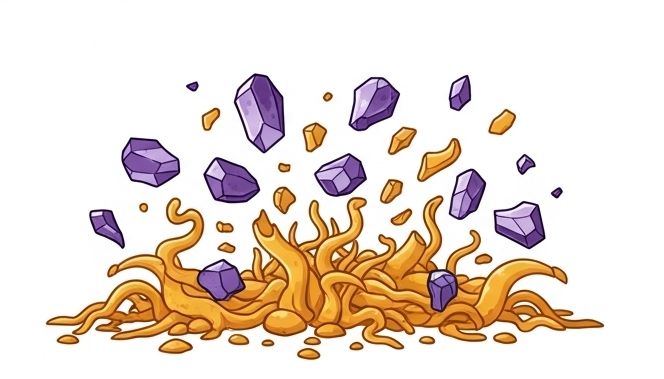
This leads to a breakdown in the ability to form coherent strategies for relating to others. Their relationships are often unstable and unpredictable, lacking the integrated structure that would allow for syntropic growth. The system's Φ decreases as it moves towards a state of simple, and often painful, disorder.
The Path Forward: Cultivating Apprehension and Praxis
The good news is that attachment styles are not life sentences. Through what the Syntropy Lens calls Apprehension—the development of a more nuanced understanding of these internal dynamics—individuals can begin to shift their patterns. This involves:
- Critique and Diagnosis: Honestly assessing one's own relational patterns (a form of Allison's Model III, or "rational policy"). This means recognizing the "pathognomonic" signs—the tell-tale symptoms—of one's attachment style.
- Telos: The ultimate goal is to move towards Syntropy, which in this context means developing an "earned secure attachment." This involves consciously choosing behaviors that foster trust, communication, and emotional integration, thereby increasing the Φ of one's own psychological system and the systems of one's relationships.
By understanding the forces of Syntropy, Dystropy, and Decoherence at play within our attachment styles, we can begin to consciously cultivate relationships that are not just about survival, but about mutual growth and the creation of meaningful complexity.
What do you think? What should The Syntropy Lens focus on next?